We utilize essential cookies to ensure our website operates effectively and remains secure. Additionally, we'd like to request your permission to use optional cookies. These are intended to enhance your browsing experience by offering personalized content, displaying advertisements that are relevant to you, and helping us to further refine our website.
Choose "Accept all cookies" to agree to the use of both essential and optional cookies. Alternatively, select "Let me see" to customize your preferences.
Privacy Preference Centre
Our website utilizes cookies to enhance your browsing experience and to present you with content tailored to your preferences on this device and browser. Below, you will find detailed information about the function of cookies, enabling you to make informed choices about which cookies you wish to accept. Please note that disabling certain cookies might impact your user experience on our site. It's important to remember that cookie preferences need to be set individually for each device and browser you use. Clearing your browser's cache may also remove your cookie settings. You have the freedom to modify your cookie preferences at any point in the future.
For a comprehensive understanding of our use of cookies, please refer to our complete cookies policy.
These cookies are needed for the website to work and for us to fulfil our contractual obligations. This means they can't be switched off. They enable essential functionality such as security, accessibility and live chat support. They also help us to detect and prevent fraud. You can set your browser to block or alert you about these cookies, but it means some parts of the site won't work.
Performance and Analytics
These cookies allow us to measure and improve the performance of our site. They help us to know how popular pages are, and to see how visitors move around the site. If you don't allow these cookies, we won't know when you've visited our site, and we won't be able to monitor its performance.
Functional
These cookies enable us to provide enhanced functionality and personalisation. They may be set by us or by third party providers whose services we've added to our pages. If you don't allow these cookies, some or all of these services may not work properly.
Advertising
These cookies collect information about your browsing habits to show you personalised adverts. They may be used to build a profile of your interests and show you relevant adverts on other sites. They don't store directly personal information, but are based on uniquely identifying your browser and internet device. If you don't allow these cookies, the adverts you see will be less relevant.
Safety Gloves & Workwear Suitable For The Construction Industry
28/08/19
Hand Protection
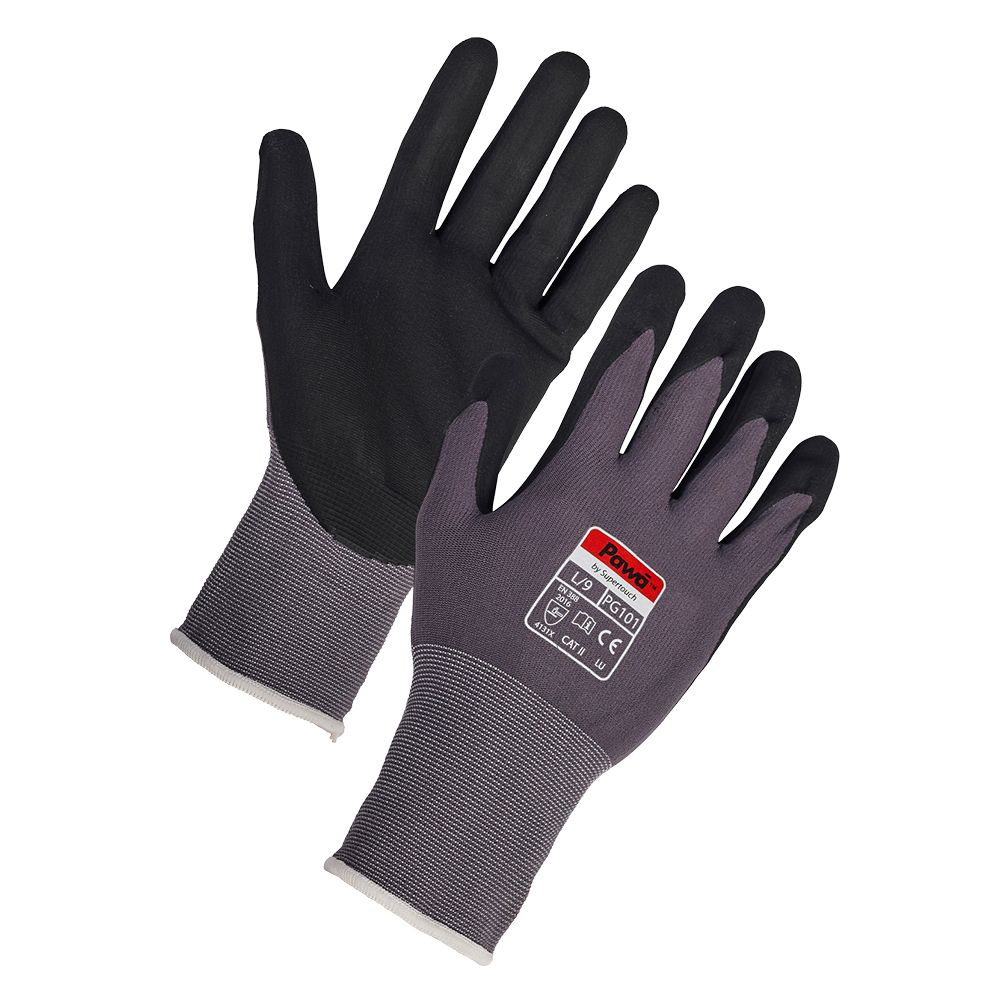
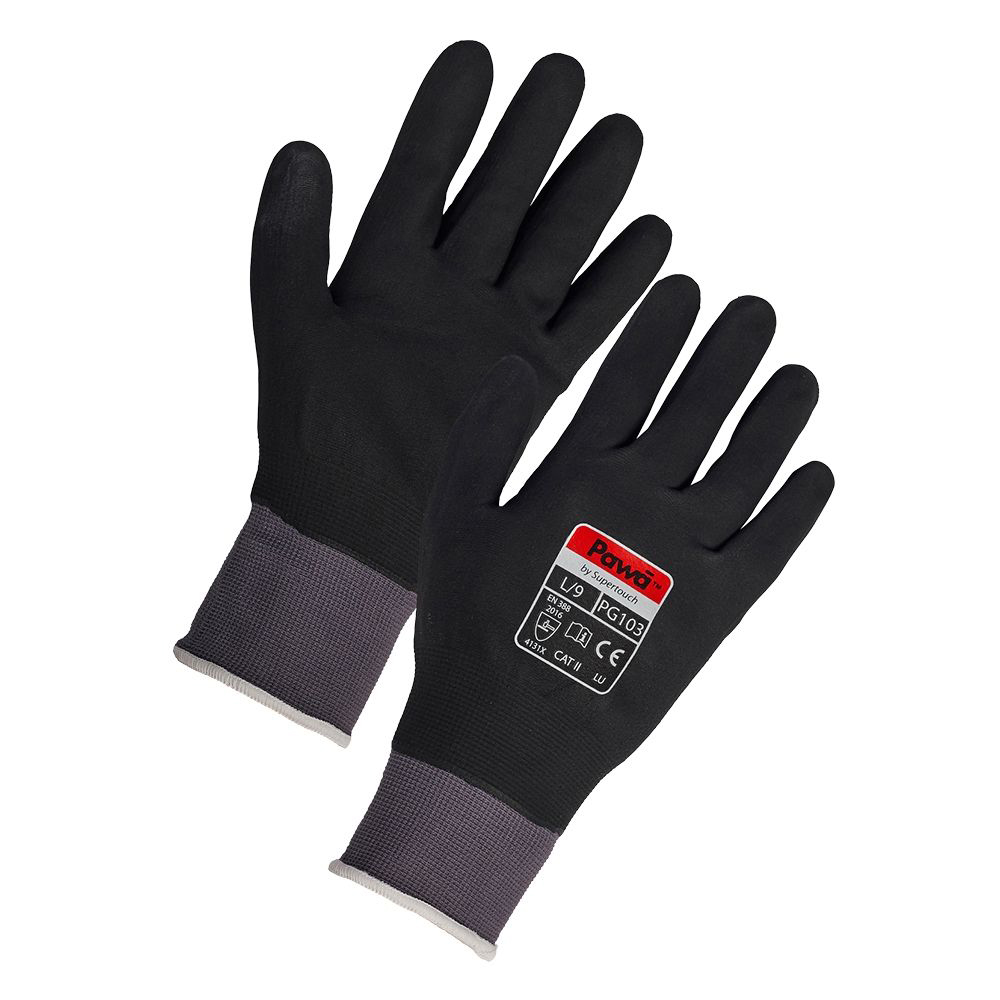
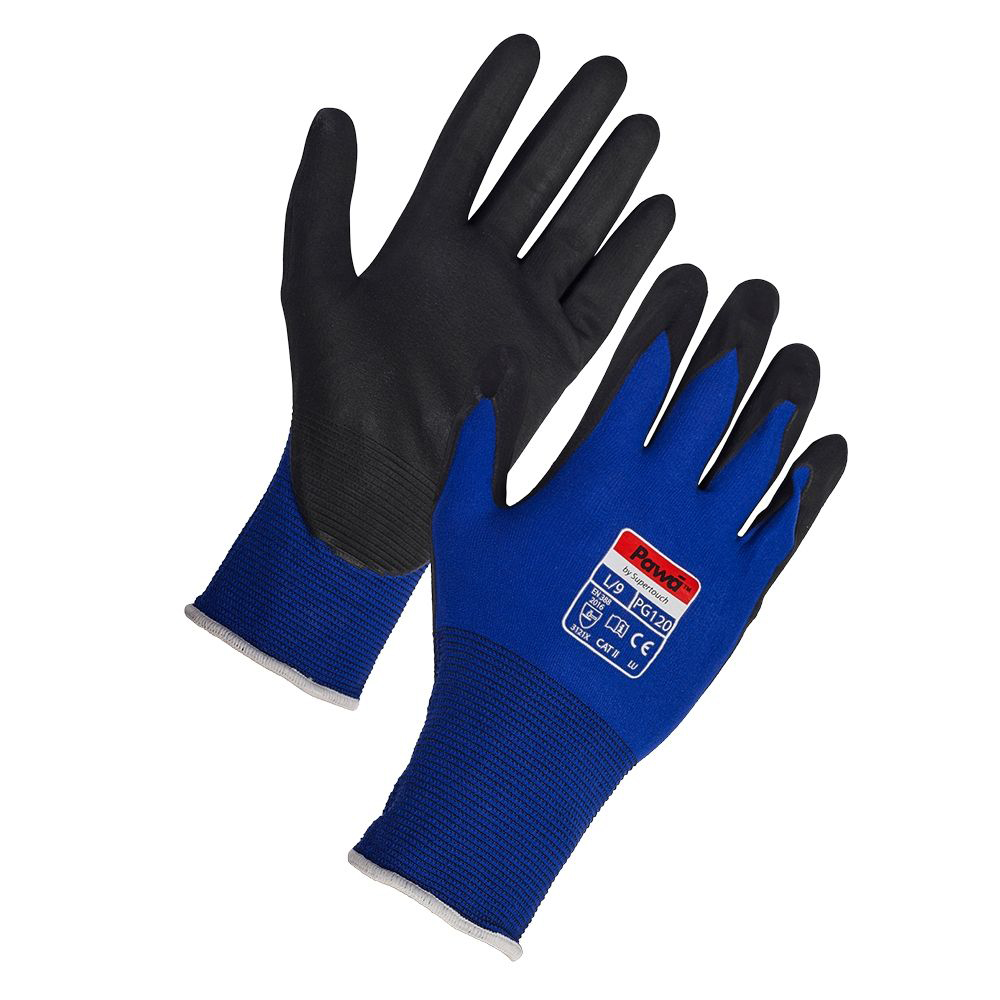
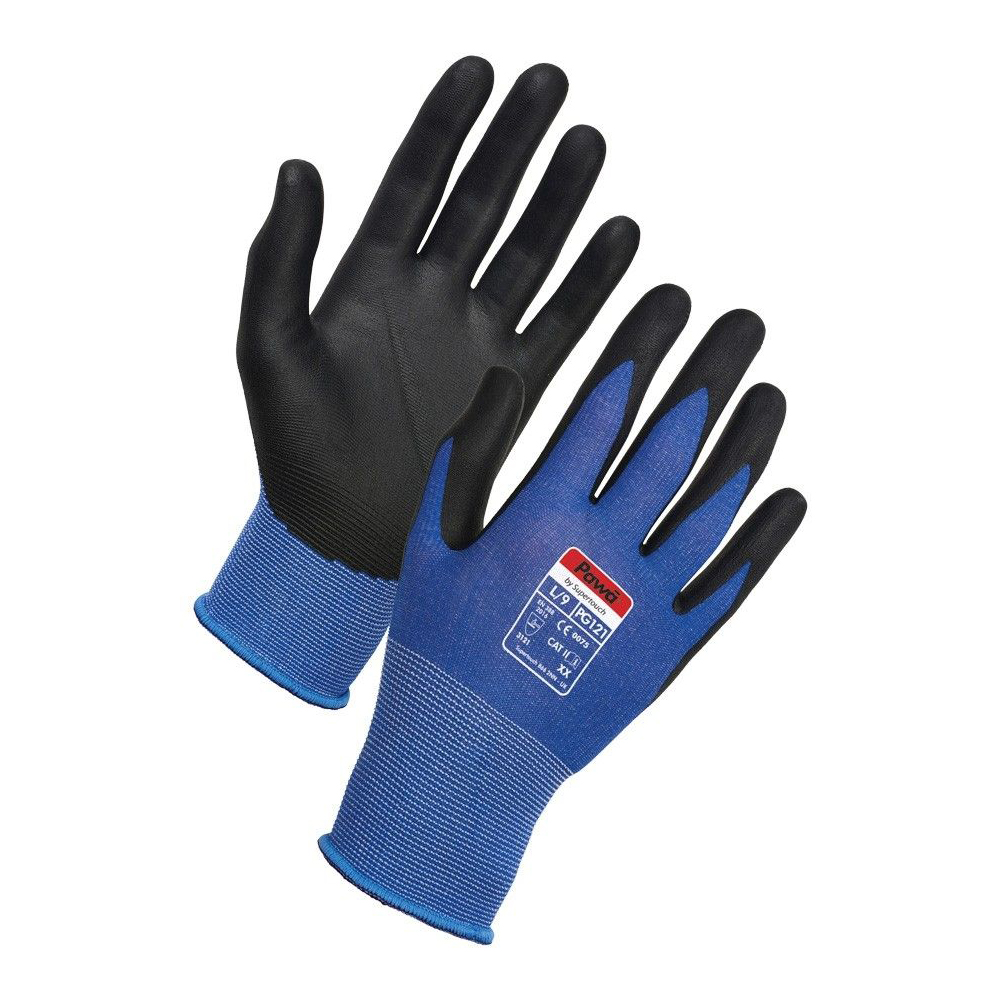
Hand protection is important throughout the entirety of any build, right from breaking ground to the final lick of paint. Below is a selection of hand hazards that need to be taken into consideration:
Water
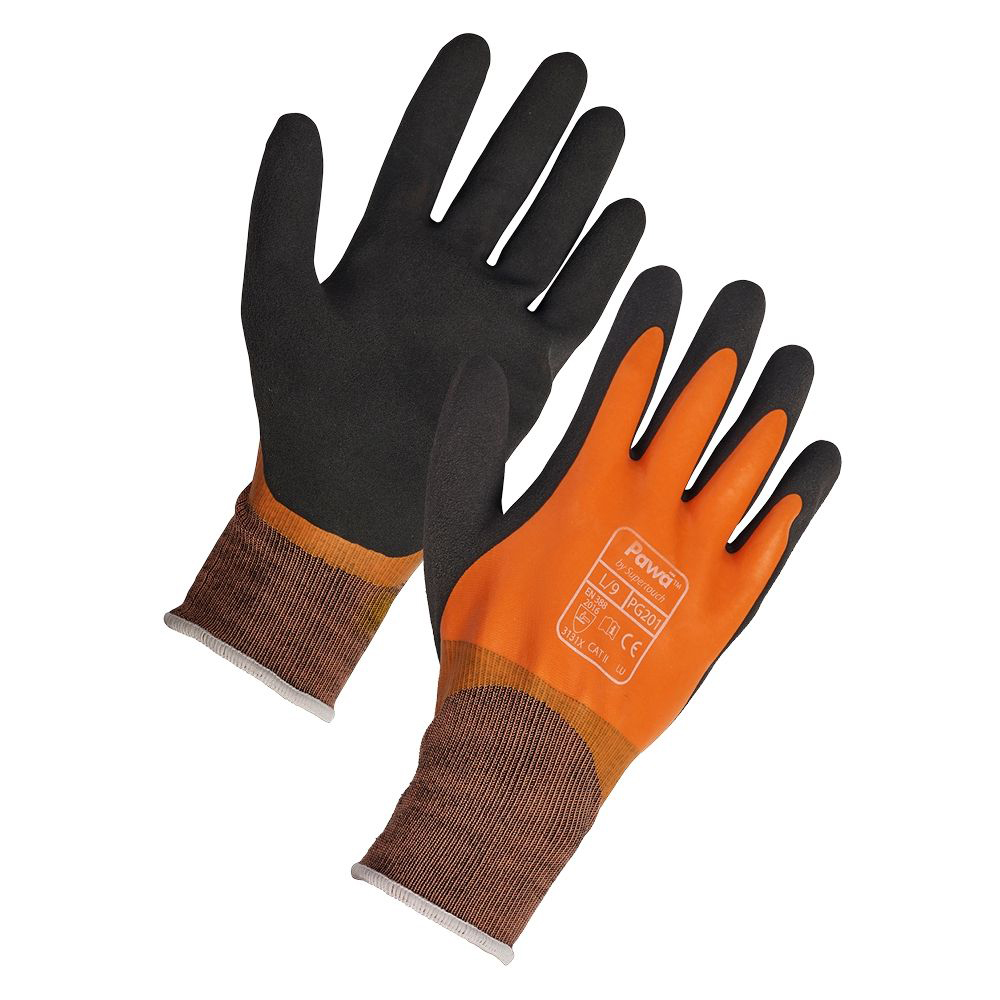
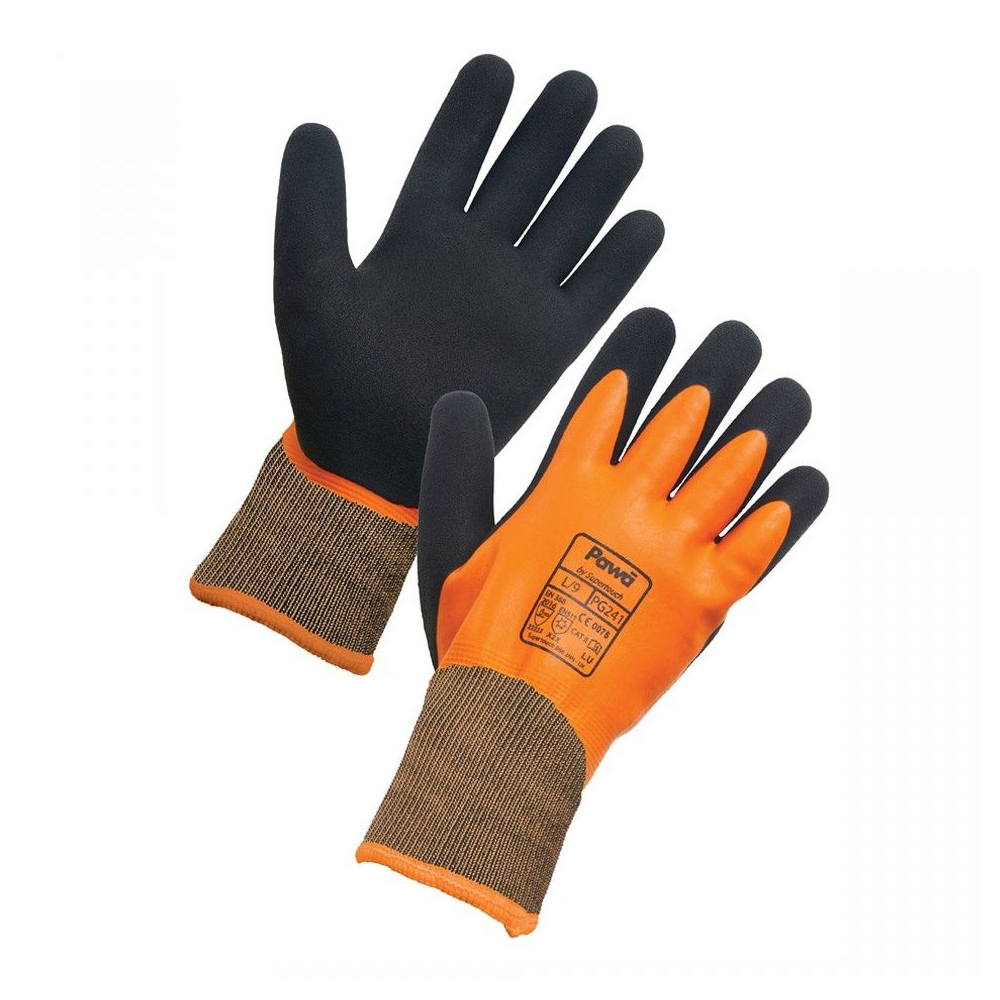
Groundworkers need protection from wet conditions as well as those handling building products in bad weather.
Cold
For outdoor workers in the winter months thermal gloves are essential in reducing accidents and maintaining good worker wellbeing.
Cemetitious Products
Builders come in contact with cement at multiple stages of the build. Gloves are required to prevent dermatitis caused by contact with Chromium VI in cement.
Cut Hazards
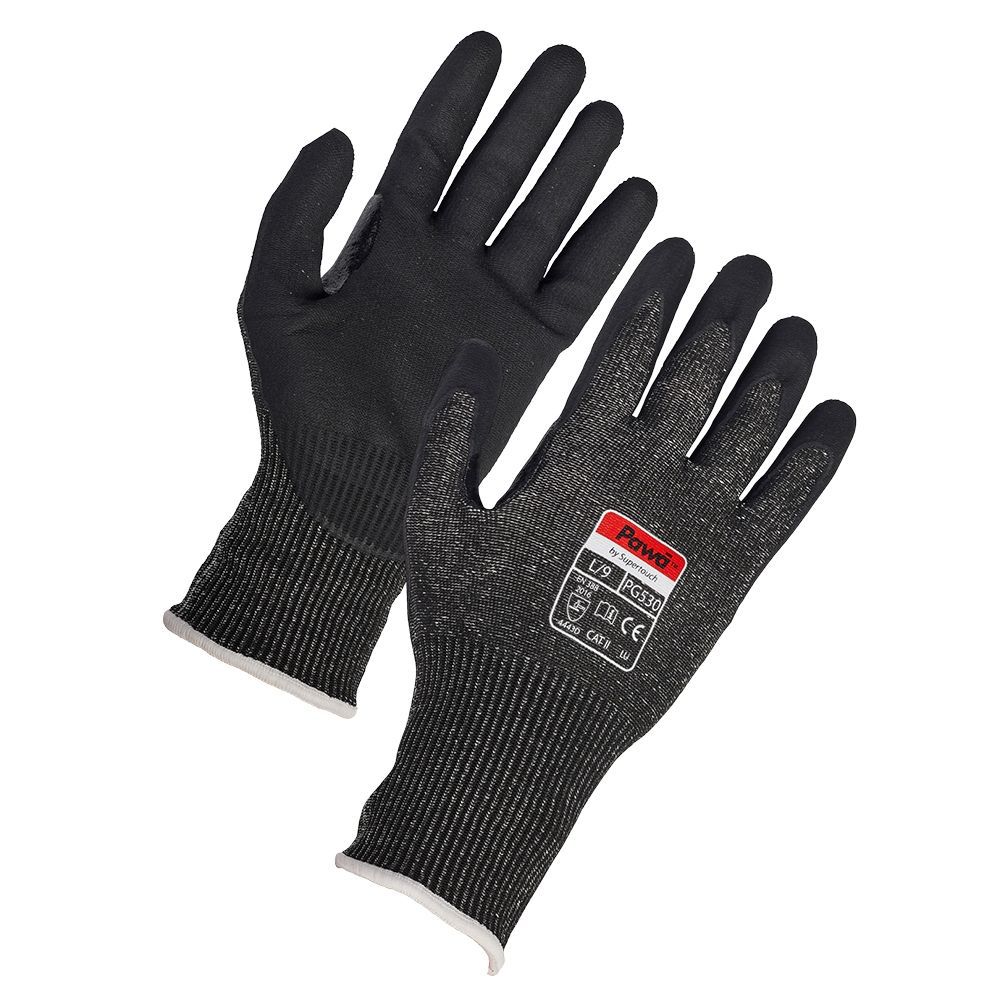
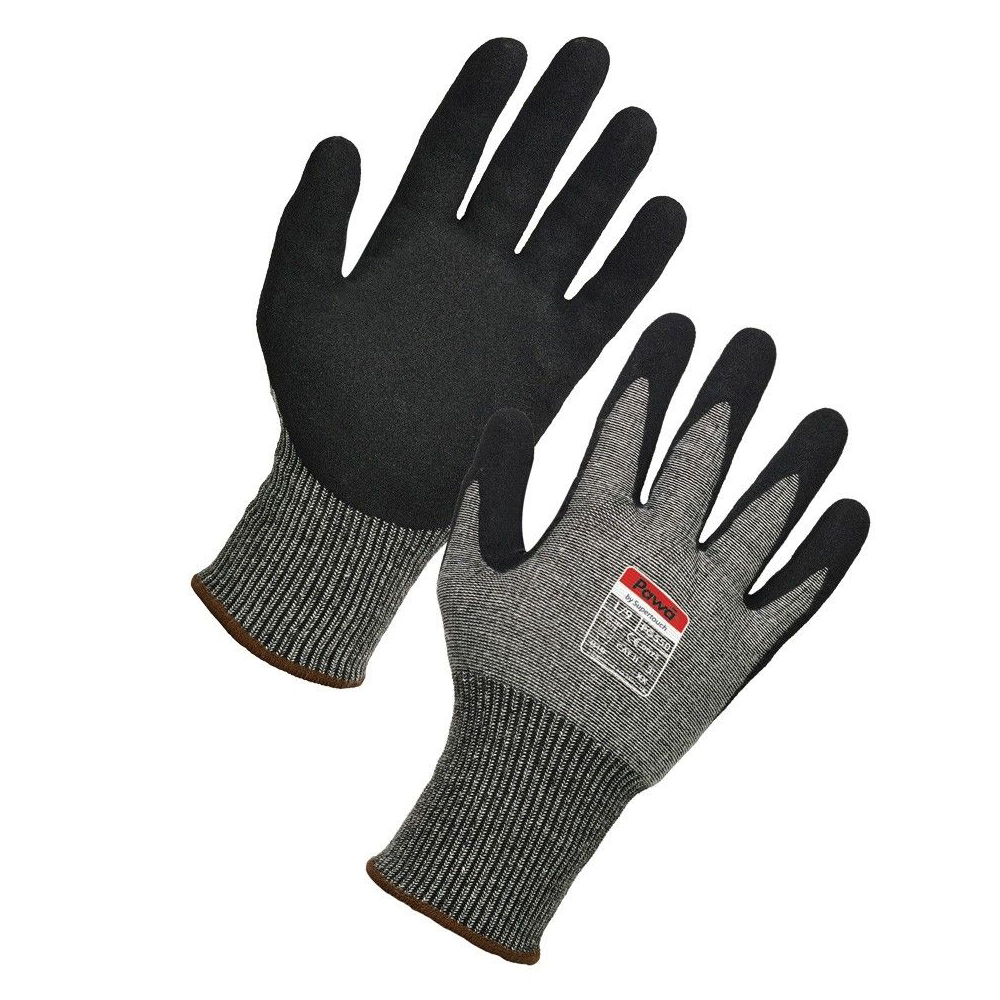
Be it dry lining or cutting aircete blocks, high level cut protection is required with updated EN388 cut levels being specified.
Chemicals
Building contractors must consult product safety data sheets before using various products to ensure they are properly protected.
Grip
Builders need to carry multiple heavy or sharp objects and handling accidents can carry serious consequences.
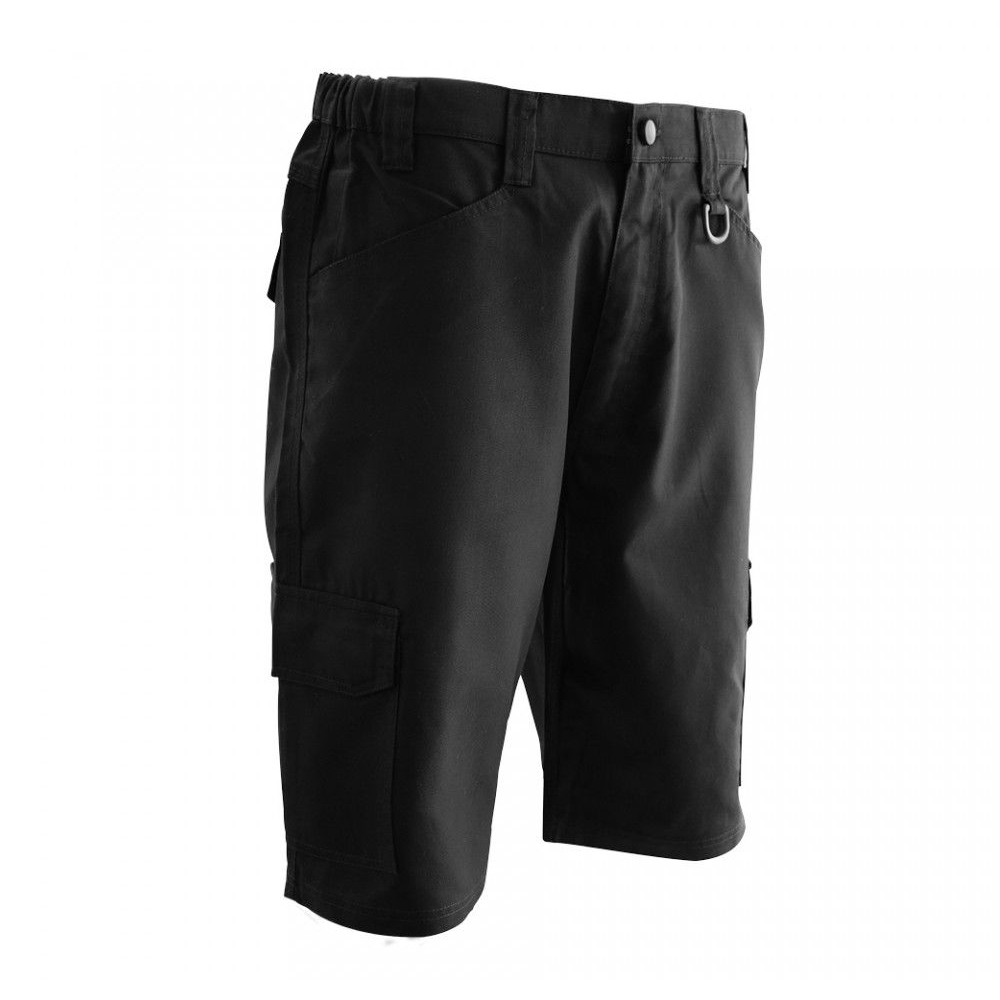
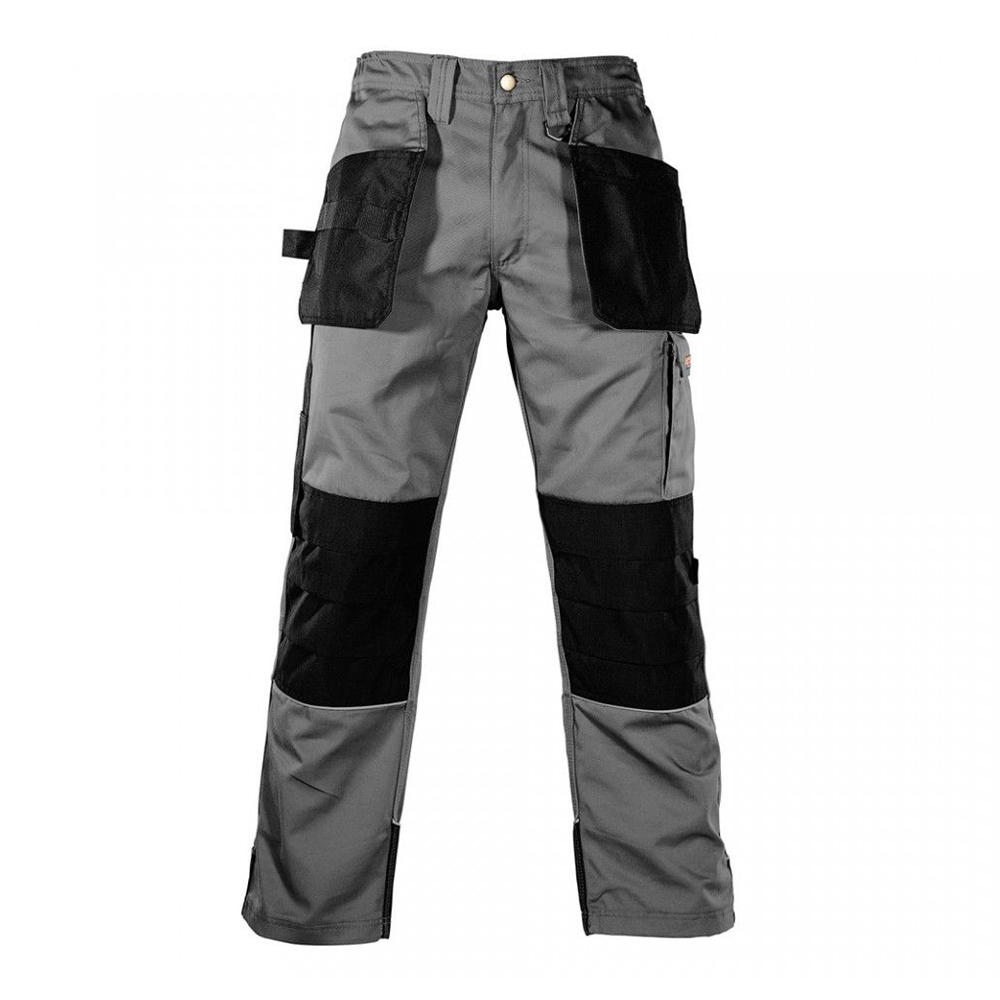
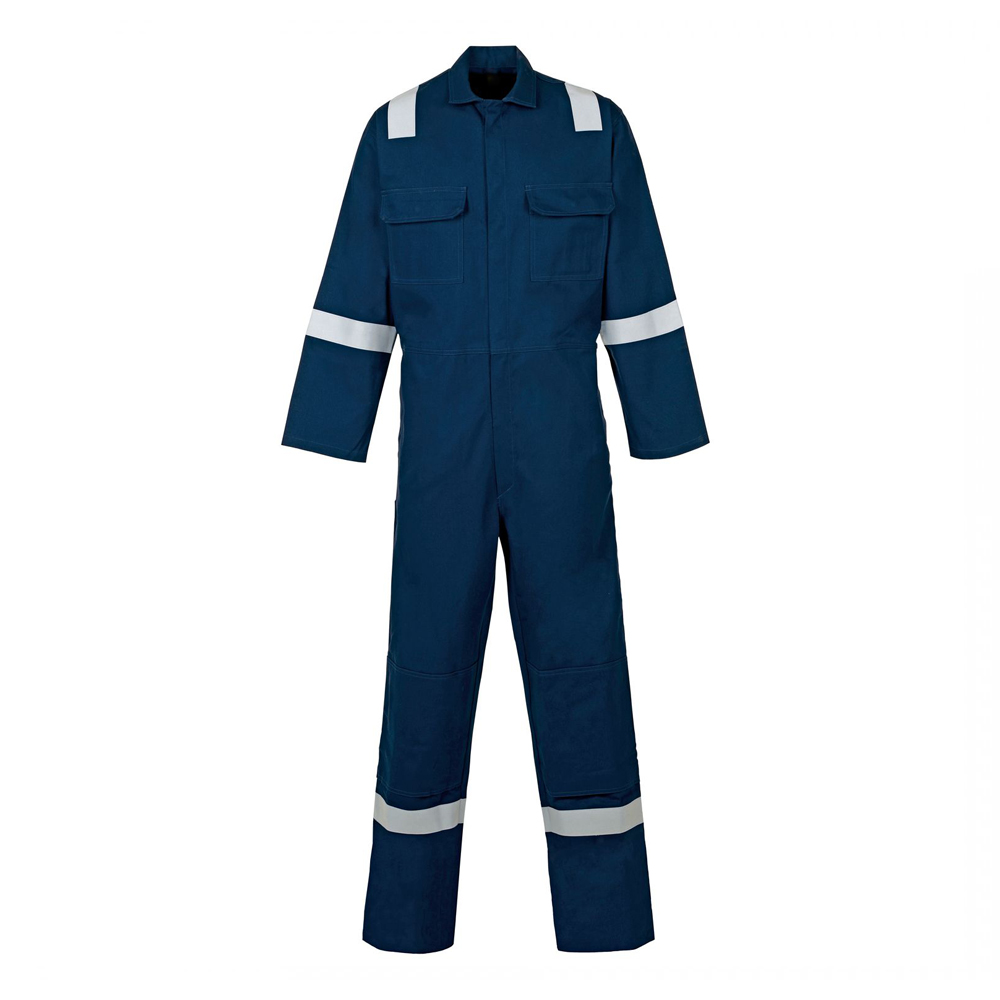
Workwear for construction workers has come a long way!
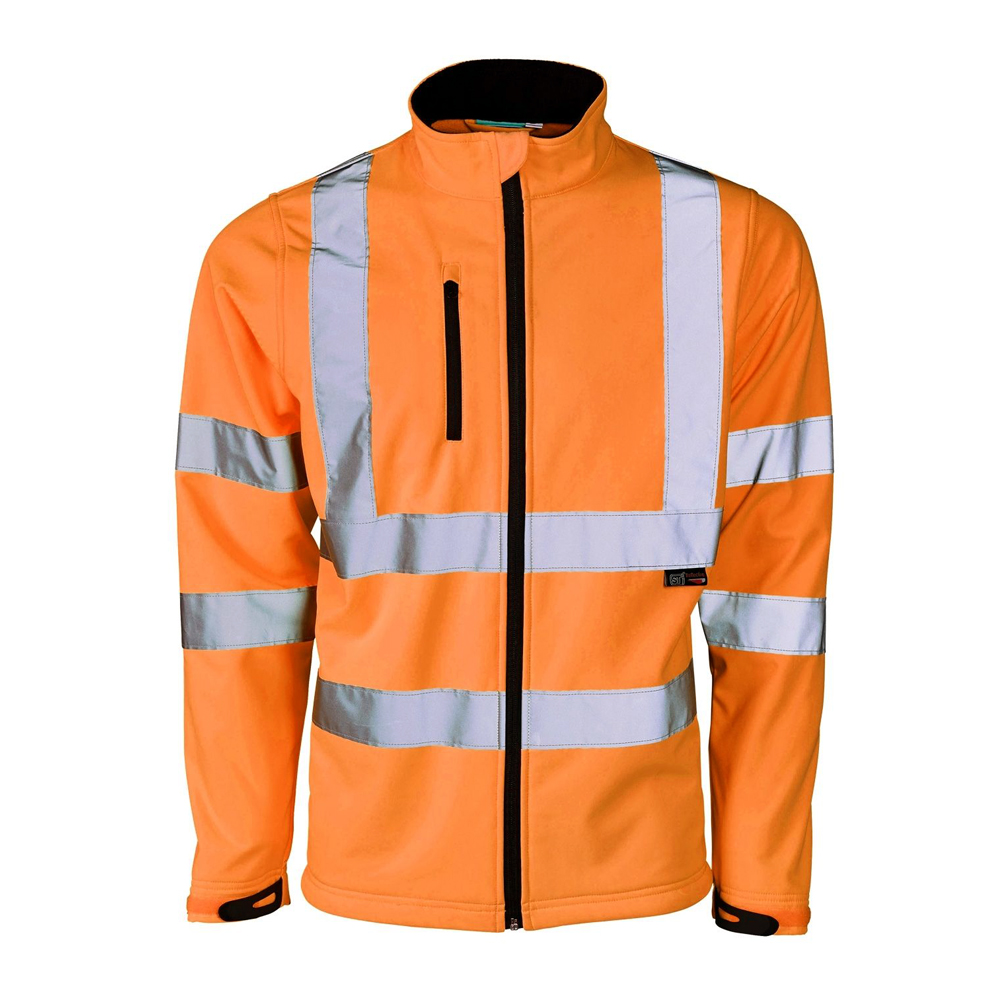
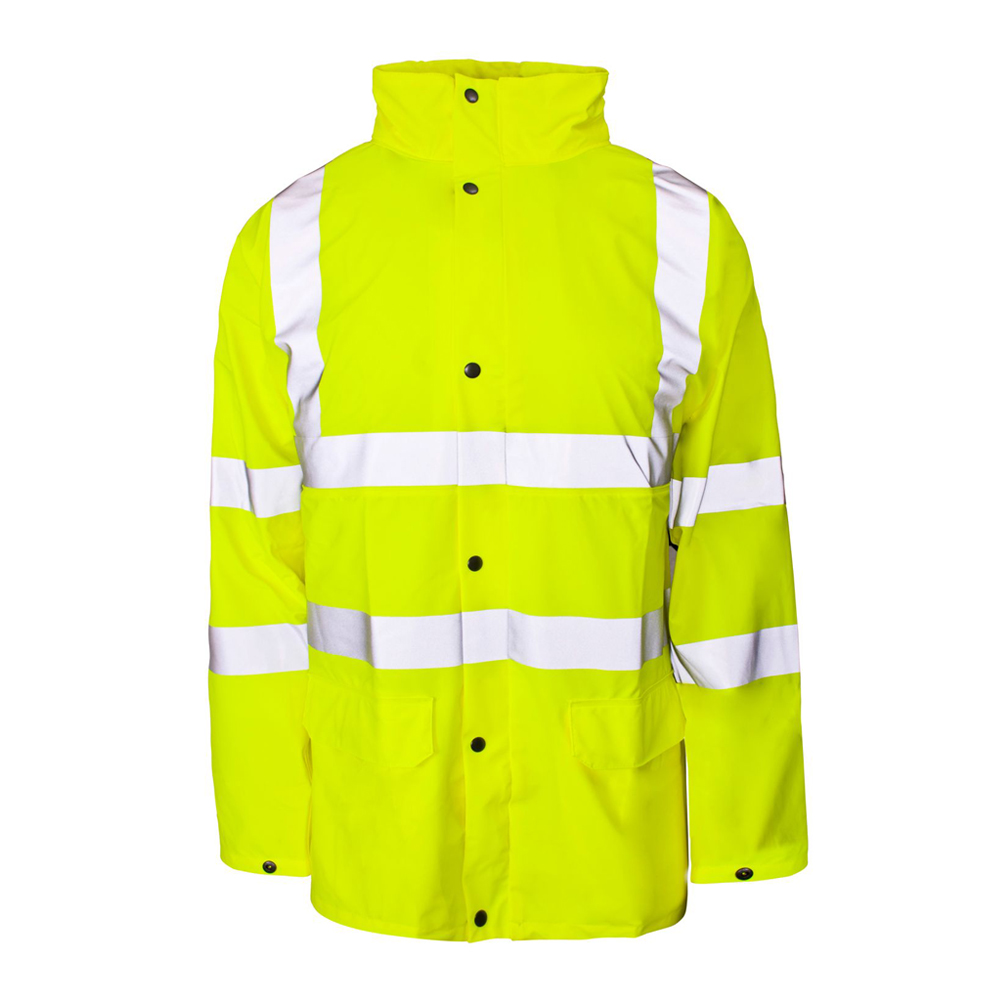
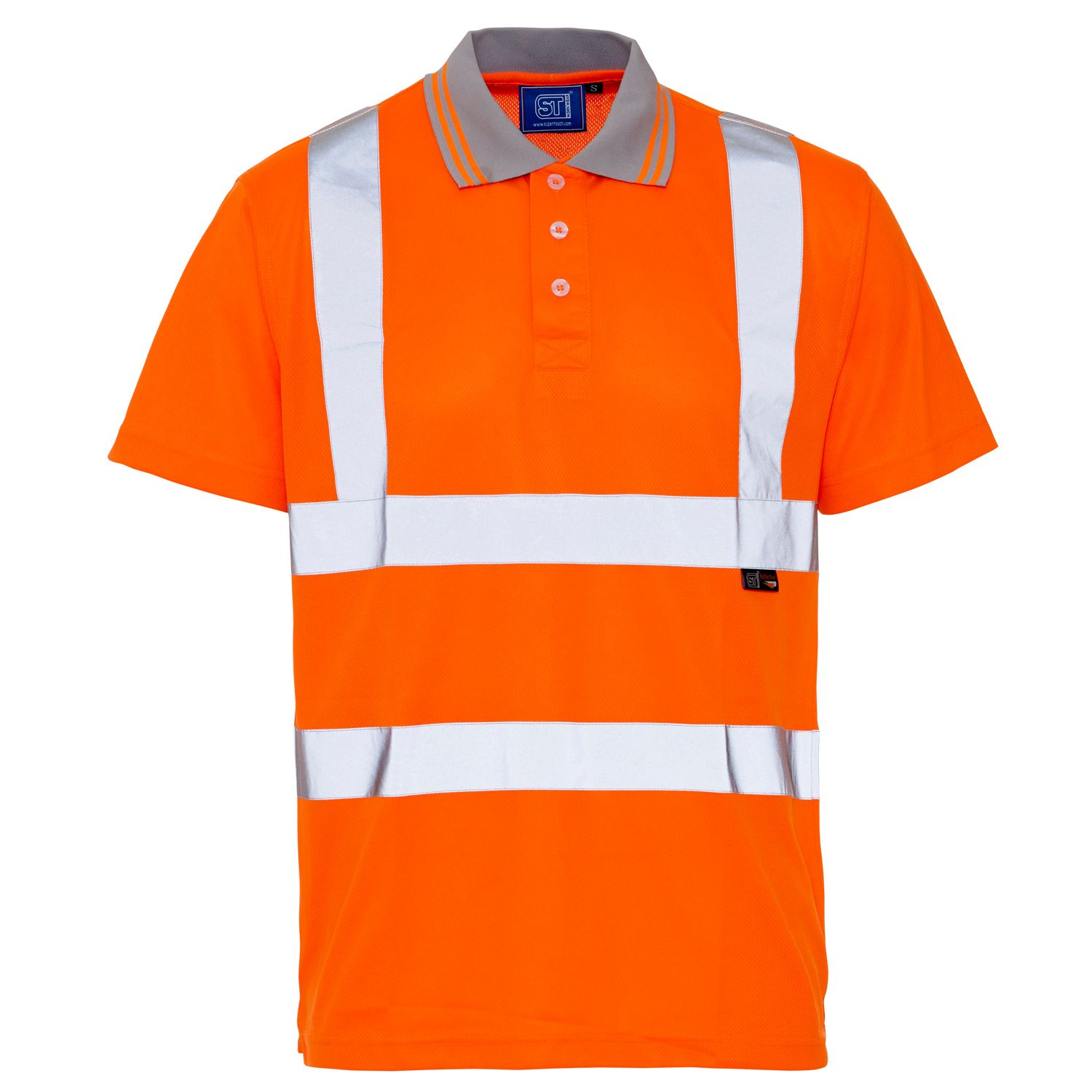
While still durable and tough, the advancement of fabric technologies means contractors can be more comfortable than ever before. It is important to be able to supply workwear for all conditions and job tasks. The construction industry also requires some body wear to offer protection too. High Visibility helps protect workers from hazards such as moving plant, but in sites where refurbishment is taking place, Asbestos offers substantial risk that builders need protection from.
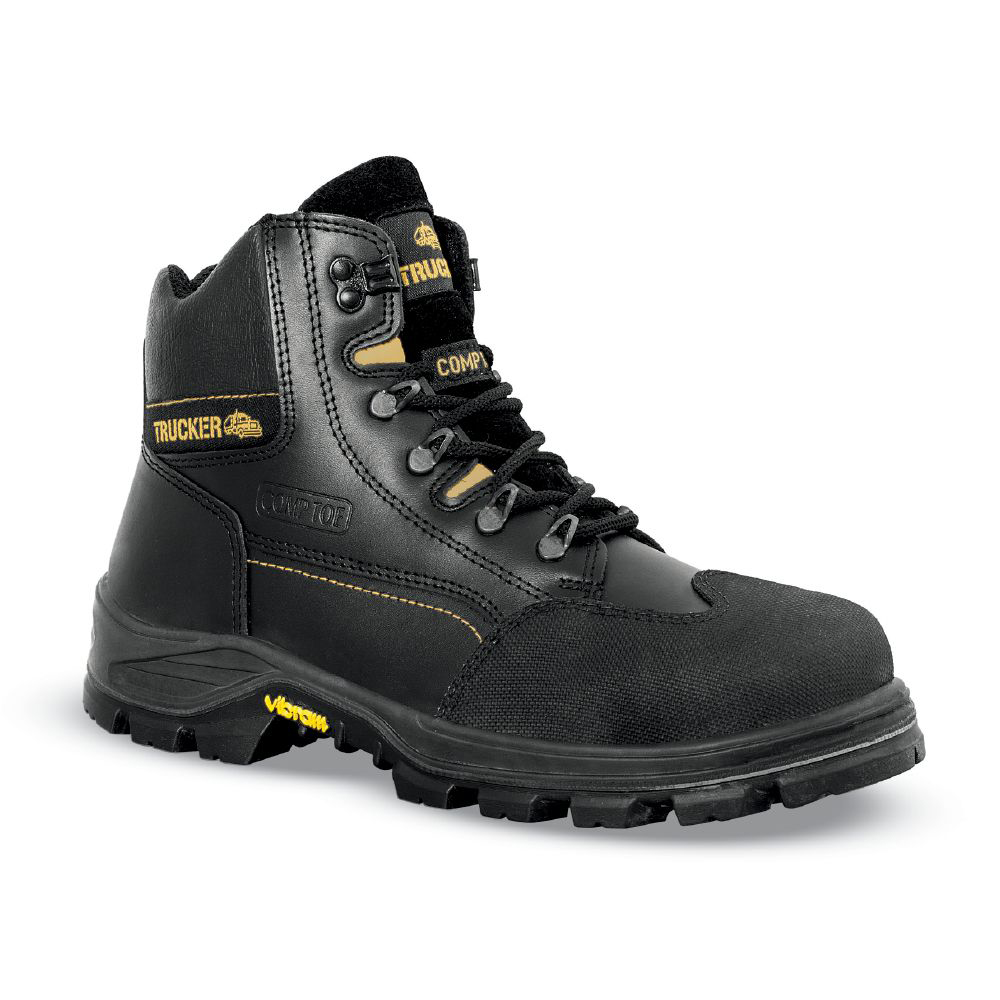
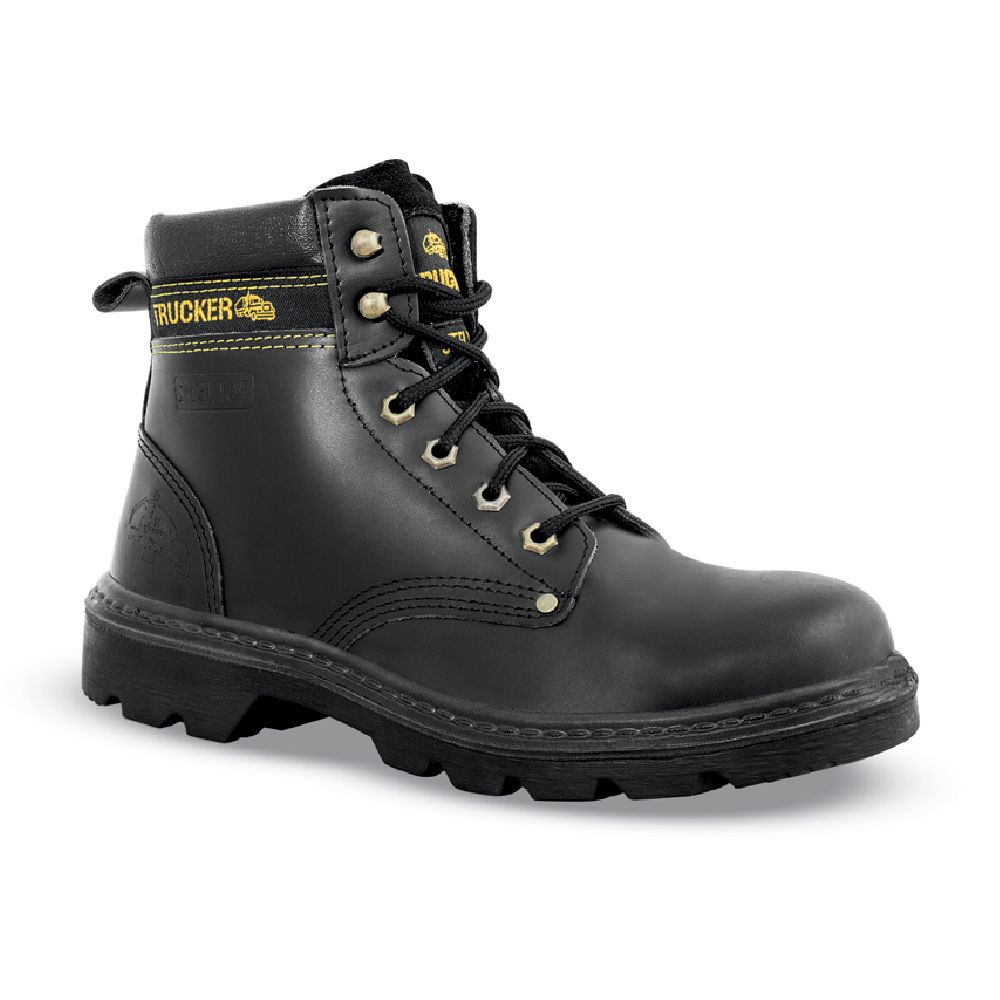
In construction, which is high-risk and involves walking across varying terrains, footwear needs to offer enhanced grip and stability, slip, penetration and water resistance. To that end, most construction sites insist on a minimum S3 SRC level of protection.
According to a survey by Supertouch®, 49% of workers only look to replace boots once they are ‘worn out’. Worryingly, this could be dramatically reducing the protective qualities of the safety shoes, making them unfit for use and increasing the risk of injury. We therefore recommend replacing boots if there is any damage to toe caps, fastening systems or once...
Setting the Standard Once the shoe has been appropriately matched to the environment, checking the relevant protection standards and overall fit for the wearer should be the next consideration. To ensure only the fittest footwear is selected, there are a variety of safety classifications and codes to consider during the specification process. BS EN ISO 20345:2011 is the current standard...